Substrate-fastener-pattern-spacing
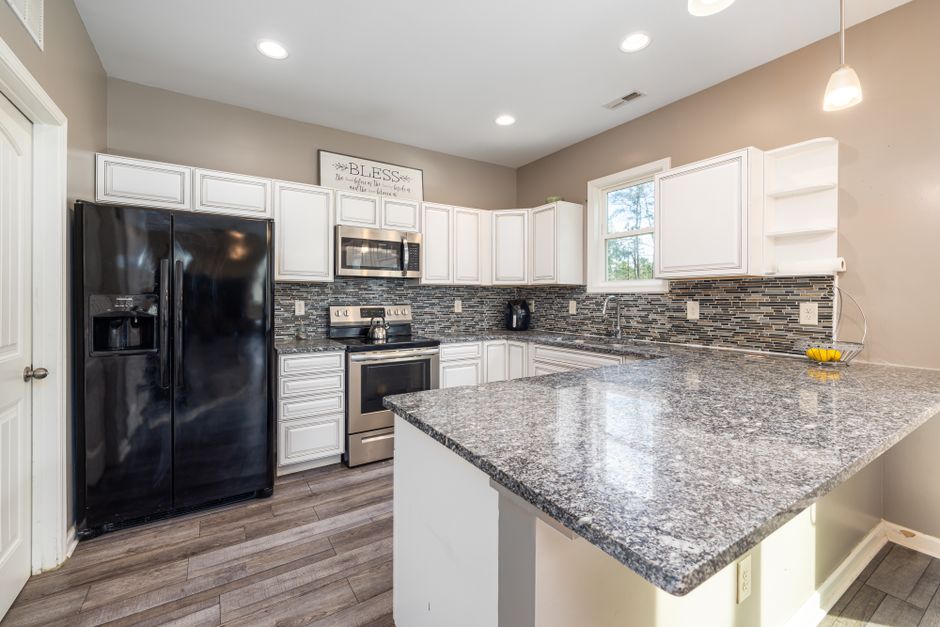
With a high moisture content in the wood, the distance between fasteners must increase to accommodate expansion. The technical details found at custom countertops rancho cucamonga ca art shay describe how a heavy slab requires specific mechanical support to avoid substrate failure. Proper installation of a quartz work surface in Rancho Cucamonga, CA depends on these spacing intervals to prevent tension. A granite piece requires rigid stability to avoid cracking under its own mass.
Calculating Fastener Spacing for Substrate Integrity
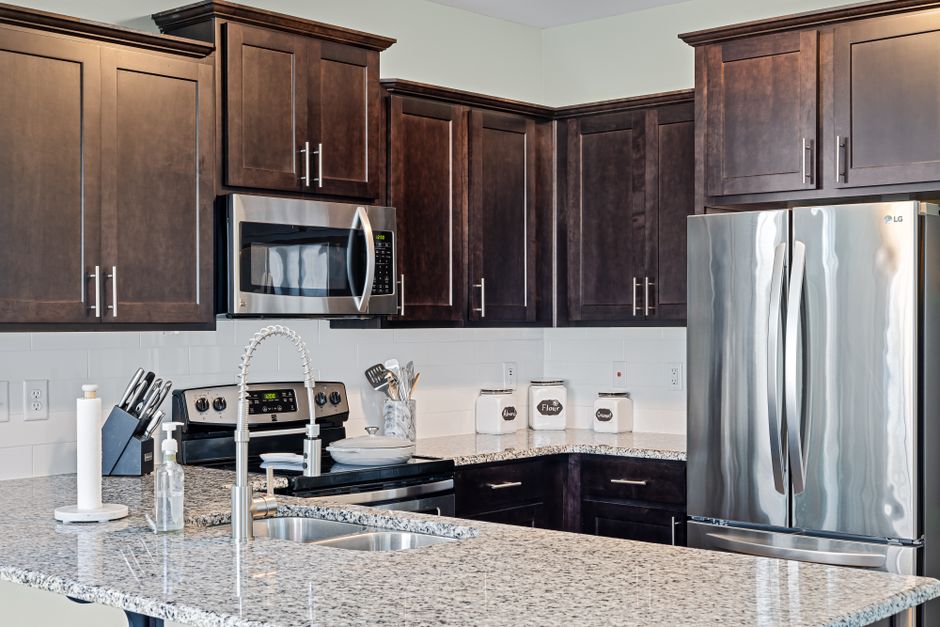
Wood substrates undergo dimensional changes. To prevent splitting, screws must stay at least two inches away from the edge of the material. When mounting a butcher block surface, the fastener pattern follows a staggered approach. A straight line of screws creates a continuous cleavage plane in the wood fibers. Using a staggered pattern breaks this plane and distributes the clamping force more evenly across the grain. This prevents the wood from splitting along the fastener line during seasonal humidity shifts.
Managing Heavy Material Loads
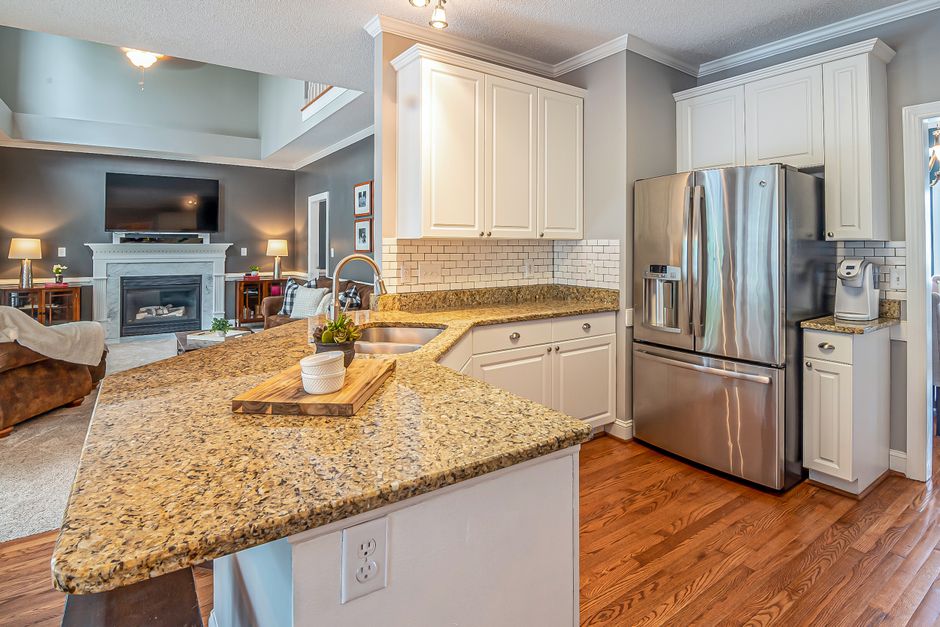
A large slab of quartzite exerts significant downward pressure. The spacing between screws should not exceed twelve inches in most standard installations. If a sink cutout is present, the structural integrity of the substrate changes. The area around an undermount sink requires extra reinforcement because the wood is weakened by the removal of material. Fasteners should be placed closer together near the perimeter of the cutout to prevent the substrate from sagging or bowing under the weight of the stone.
Edge Profiles and Load Distribution
The choice of an edge profile affects how the weight sits on the substrate. A bullnose edge adds mass to the perimeter, increasing the leverage applied to the mounting points. In cases where a waterfall edge is implemented, the vertical transition creates a unique stress point. The fastener spacing must account for this shift in the center of gravity. A template must be used to mark every screw location before any drilling occurs. This ensures that the pattern remains consistent across the entire surface length.
Mitigating Stress at Seams
Seam placement dictates the mechanical requirements for the underlying support. A seam located directly over a joist provides better stability than a seam floating between supports. The substrate must be perfectly level at every seam to prevent the stone from shifting. If the material is a remnant, the smaller dimensions might allow for tighter fastener patterns, but the principles of grain direction and weight remain the same. Avoid placing fasteners too close to the edge of a seam to prevent localized compression failure.