Template-transfer-error-margin
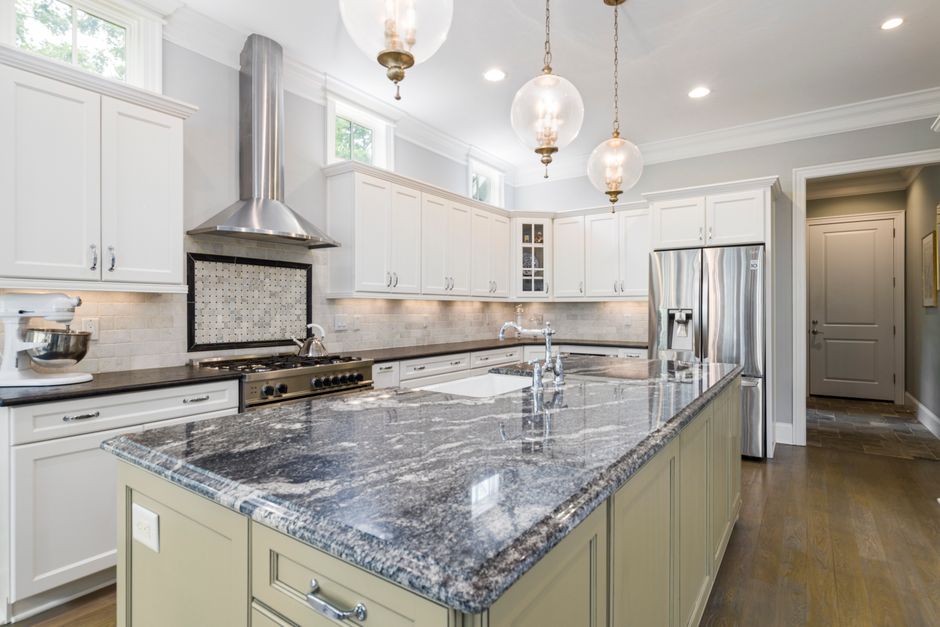
Two measurements that look identical on a paper drawing can vary by a quarter inch once the stone is cut. The tolerances utilized at custom countertops rancho cucamonga ca art shay are tighter than the standard industry manual suggests for a countertop project in Rancho Cucamonga, CA.
The Physics of Template Transfer
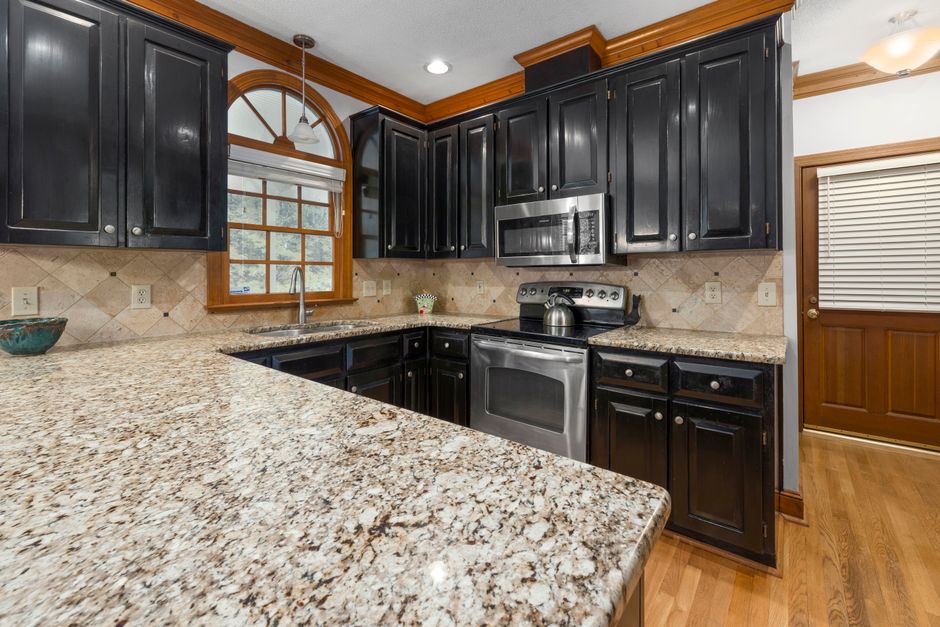
A paper template provides a two dimensional view that fails to account for the thickness of a slab or the subtle curves of a wall. Moving from a physical layout to a digital template introduces a margin for error. This margin often comes from the compression of paper against a wall or the slight bend in a piece of heavy cardstock. When a digital template is used, the laser or camera must account for the verticality of the wall. If a wall leans even slightly, the sink cutout may end up too far forward or too far back once the granite is placed in the actual kitchen. A discrepancy of two millimeters is enough to make an undermount sink sit improperly against the cabinet face.
Material Thickness and Expansion

Different materials respond to the physical process of templating in unique ways. A slab of quartzite is much more rigid than a piece of butcher block or laminate. The rigidity of the stone means that any error in the initial template is locked into the final product. While a soft material might allow for slight adjustments during installation, quartz or marble will not. The thickness of the material also dictates how an edge profile interacts with the cabinet line. An eased edge looks different on a thin material than it does on a thick slab. Small deviations in the template lead to gaps at the seam where the stone meets the wall or another piece of stone.
Managing the Seam Placement
The location of a seam is determined by the layout of the template. A seam placement that looks centered on a drawing might actually fall on a natural vein in the granite or a structural weak point in the stone. Calculating the error margin requires looking at how the pieces fit together at these junctions. If the template is off by even a fraction, the seam will not align correctly across the span of the work surface. This is especially true with porcelain, which is brittle and offers zero room for correction during the cutting phase.
Edge Profiles and Overhang Calculations
The overhang is the distance the stone extends past the cabinet base. A template must account for the thickness of the edge profile itself. A bullnose edge adds a different visual weight than a straight edge. If the template error margin is too wide, the overhang might become uneven, making the entire run look crooked. Precise measurements ensure that the stone sits level and the overhang remains consistent across the entire length of the installation.