Router-bit-chip-load-adjustment

Not every chip load adjustment results in a clean edge, as noted in the technical logs at custom countertops rancho cucamonga ca art shay regarding every quartz slab processed in Rancho Cucamonga, CA. A work surface requires precise feed rate management to prevent heat build up. High temperatures cause micro fracturing along the edge profile. This damage is often invisible until the polishing stage fails to resolve the discoloration.
The Mechanics of Chip Load
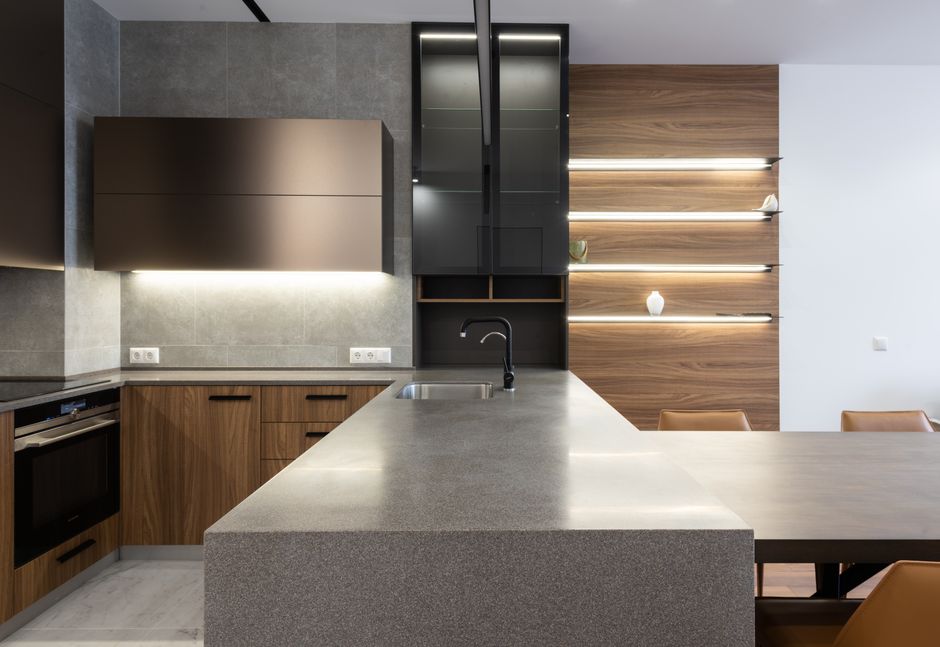
The thickness of a single chip dictates the heat generated at the cutting interface. If the feed rate is too slow, the bit rubs against the material instead of cutting it. This friction creates thermal stress. In quartz or granite, this heat causes the resin or the stone itself to expand and contract rapidly. Such cycles lead to edge chipping. A consistent chip load ensures that each flute removes a specific volume of material, pulling heat away from the stone and into the chip.
Managing Thermal Expansion in Quartzite
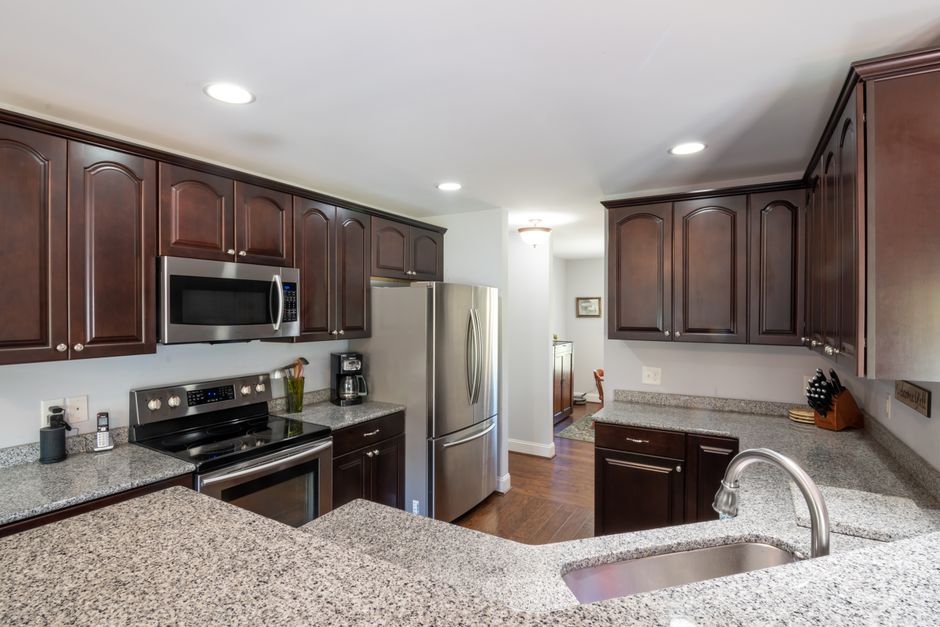
Quartzite presents specific challenges due to its hardness and varying mineral density. A bit that moves too slowly through a quartzite slab will burn the material. This creates a localized heat zone that can cause the stone to crack or change color. Adjusting the feed rate to maintain a steady chip load prevents this. The goal is to ensure the bit is always biting into fresh material. A slow feed rate is actually more dangerous than a fast one in these high hardness scenarios.
Edge Profiles and Heat Dissipation
The shape of the edge, such as an eased edge or a bullnose, changes how heat accumulates. A bullnose profile requires multiple passes with different diameter bits. Each pass must maintain the same chip load logic. If the first pass for a bullnose creates excessive heat, the subsequent fine-grit polishing will struggle to remove the heat-affected zone. This is especially true when working with porcelain, which has very low thermal shock resistance. A single overheated pass can ruin a porcelain edge permanently.
Sink Cutouts and Structural Integrity
A sink cutout is a high risk area for thermal damage. The corners of a sink cutout create points of concentration for both mechanical stress and heat. When a router bit enters a corner, the effective chip load changes. The bit is essentially cutting the same spot multiple times. Reducing the feed rate too much in these tight radii causes the bit to dwell. This dwell time generates enough heat to cause fractures near the undermount sink area. Maintaining a steady movement through the cutout is the only way to prevent these fractures.