Seam-depth-measurement-for-leveling
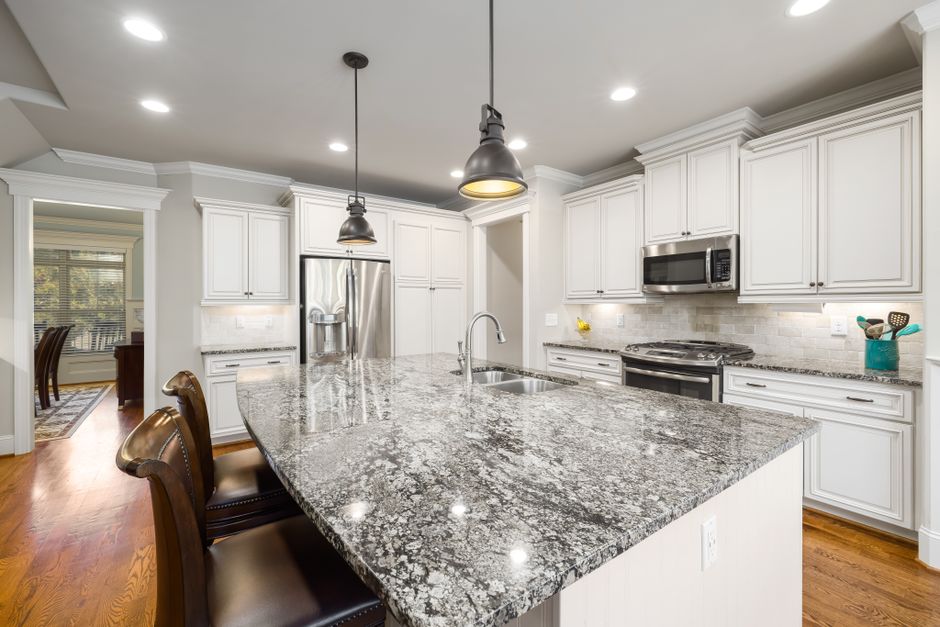
The feeler gauge measures one specific thing: the gap between two surfaces to determine if a seam is level. Precision in a worktop requires checking these clearances across the entire length of a granite slab. Measurements taken at custom countertops rancho cucamonga ca art shay confirm the flatness of every joint. This level of accuracy is standard for any installation in Rancho Cucamonga, CA.
Mechanical Seam Inspection
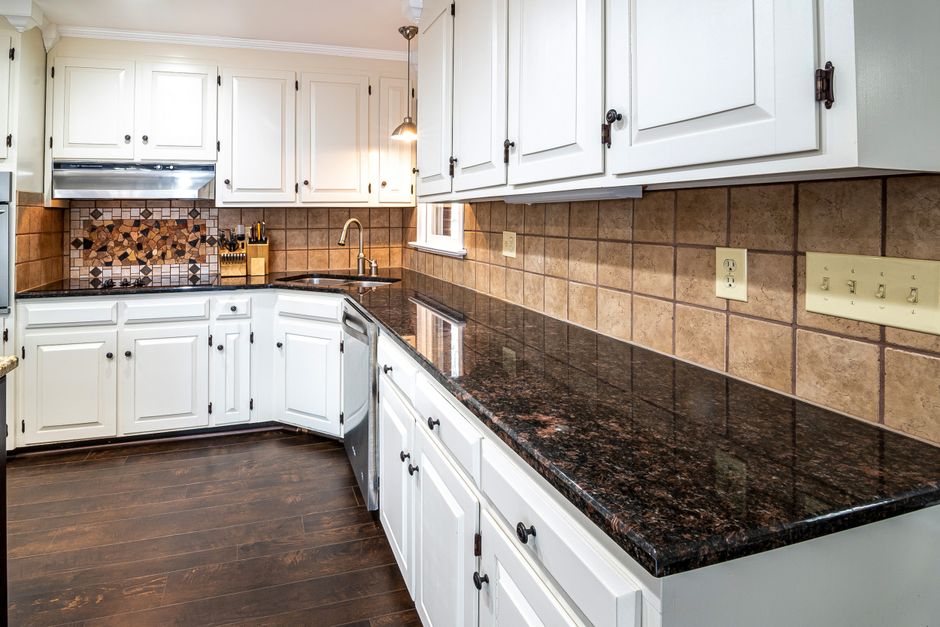
A seam occurs where two pieces of stone meet to form a continuous surface. Even with a perfect digital template, slight variations in the thickness of a quartz piece can create a lip. This lip is measured by sliding a metal blade into the joint. If a 0.002 inch gauge passes through without resistance, the surfaces are flush. If the blade catches, the slab requires further grinding or shim adjustment. A gap that is too wide prevents the epoxy from bonding correctly, leading to structural failure later.
Using Feeler Gauges for Flatness
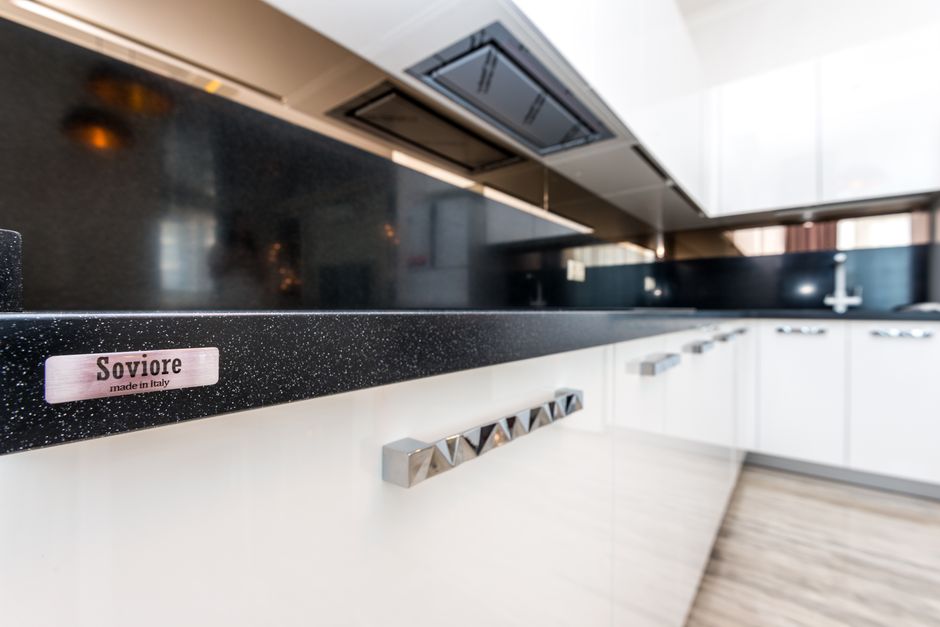
The process involves placing the gauge at both the leading and trailing edges of the seam. A single measurement in the middle of the seam is insufficient. For a long seam in a quartzite installation, checks must happen every six inches. If a gap exists, the height difference is recorded. A small protrusion at the edge profile indicates that the underside of the stone is not sitting flat on the cabinetry. This often happens when the subtop is uneven or the support brackets are misaligned.
Material Specific Considerations
Harder materials like porcelain require more caution during the grinding phase. A marble surface is more prone to chipping if too much pressure is applied to level a seam. Each slab has unique density and hardness. A butcher block seam behaves differently than a solid surface joint because wood expands and contracts with moisture. The depth of the seam must be consistent to ensure the epoxy or adhesive fills the void completely. A shallow seam is easier to hide than a deep one.
Correcting the Joint
Adjustment starts with the shim. If the seam is low on one side, thin plastic shims go under the slab to raise it. Once the height is corrected, the seam is cleaned of all dust. The epoxy is applied, and the pieces are clamped. After the adhesive cures, a diamond polishing pad is used to smooth the transition. This removes any remaining ridge. A successful finish means a feeler gauge can no longer detect a height change between the two pieces of stone.