Sink-apron-miter-alignment
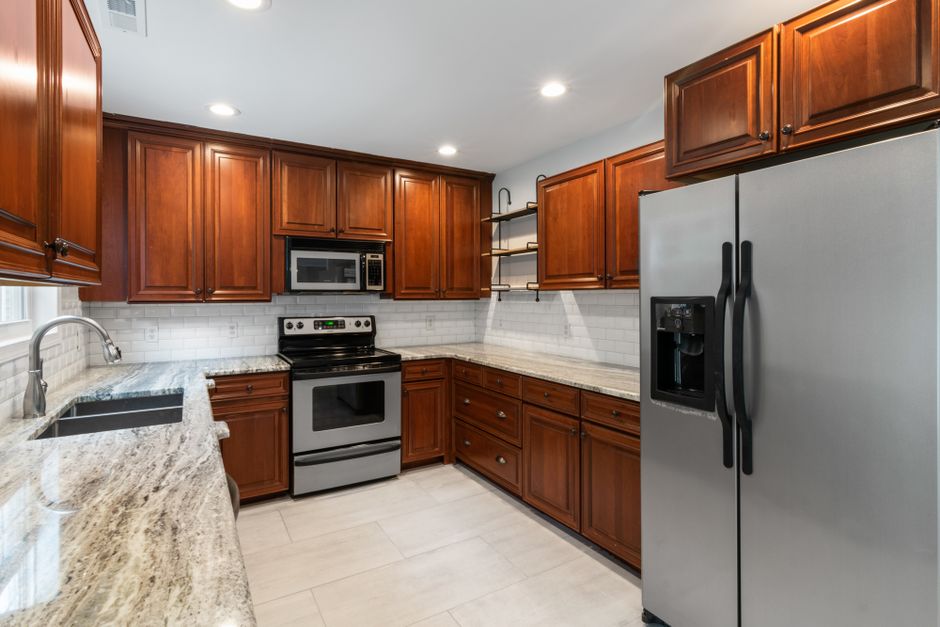
Two vertical planes that appear parallel to the naked eye often deviate significantly at the mitered junction. A misalignment in the sink cutout occurs at the apron, as the notes at custom countertops rancho cucamonga ca art shay describe. A vertical slab must remain perfectly plumb to prevent a visible gap at the sink edge in Rancho Cucamonga, CA. This specific countertop error ruins the appearance of an undermount sink installation.
The Mechanics of the Apron Miter
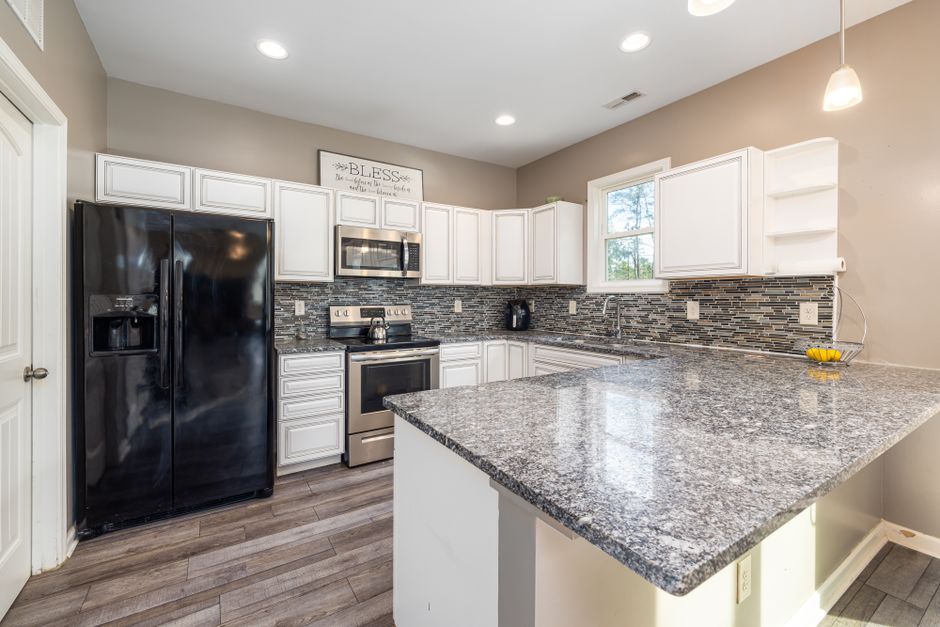
A mitered apron requires the front edge of the stone to drop vertically from the main work surface. If the cut is not exactly ninety degrees, the mitered seam will not close. Gravity pulls on the weight of the granite, causing slight shifts during the adhesive curing process. This shift creates a slope where a vertical face should be. A plumb line must be used against the sink cutout to verify the angle before the epoxy sets. Even a single degree of tilt makes the apron look like it is leaning toward the user.
Managing Material Thickness and Weight
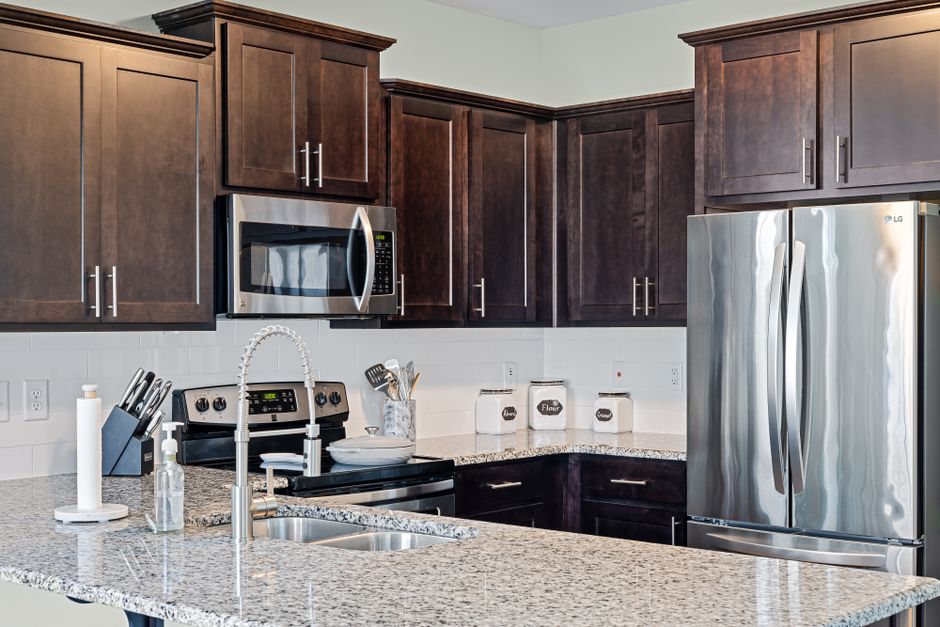
Heavy materials like quartz or quartzite demand precise support. A thick slab provides more surface area for the miter, but it also increases the pressure on the seam placement. If the support structure underneath is uneven, the stone will settle. This settling pulls the mitered edge away from the vertical plane. Using a template ensures the dimensions are correct, but a template cannot fix a tilted support frame. The weight of the stone must be distributed evenly across the cabinetry to keep the apron upright.
Seam Integrity and Edge Profiles
A visible seam at the apron indicates a failure in the vertical alignment. When the mitered edge meets the main slab, the transition must be seamless. If the front face is not plumb, the edge profile will appear distorted. An eased edge is harder to hide if the geometry is off. This is particularly noticeable in high end materials like marble or porcelain. The light hits the tilted surface and highlights the deviation from the vertical. Proper clamping during the glue up phase keeps the pieces from shifting out of alignment.
The Role of the Template
Digital template data provides the shape of the sink cutout, but it does not account for the physical plumb of the installation. A physical check of the cabinet carcass is required. If the cabinet face is not square, the apron will never sit flush against the sink. The stone must be cut to fit the specific vertical plane of the cabinetry. A successful installation relies on the interaction between the slab thickness and the vertical drop of the miter.